Say Goodbye to Bed Bugs: Understanding Heat Treatment and Why It Gets Results
Bed bugs continue to pose a significant challenge for many residences. Standard treatments commonly use dangerous chemicals that present health risks. Thermal treatment provides a practical solution. By utilizing high temperatures, this method effectively targets all life stages of bed bugs. Exploring the science behind this process uncovers its strengths. Which particular mechanisms contribute to the success of heat treatment? The insights might reshape how individuals approach pest elimination.
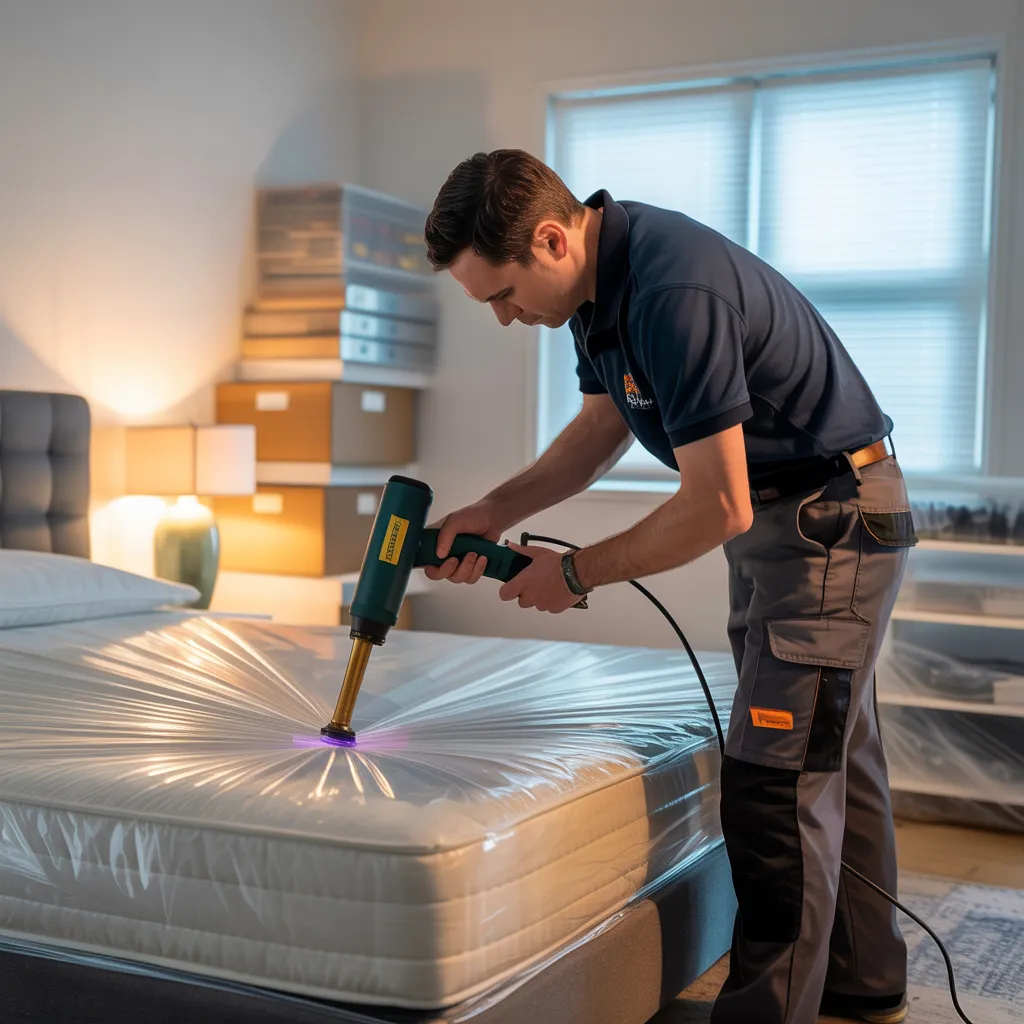
Struggling With Bed Bugs? Learn Why Heat Treatment Is the Answer
How can homeowners effectively combat the persistent problem of bed bugs? More people are relying on heat treatment as a reliable solution. This technique works by raising the temperature of infested areas to levels fatal for bed bugs, targeting all life stages, from eggs to adults. As opposed to standard insecticides, which may leave behind residues and require multiple applications, heat treatment delivers a more direct and effective method.
Skilled pest control professionals typically utilize advanced tools to ensure consistent heat circulation throughout the infested space. Property owners recognize that this treatment is non-toxic, making it safer for families and pets. Furthermore, heat treatment often results in a more rapid solution, enabling homeowners to resume their daily activities more quickly.
Even though heat treatment can be an considerable expense, its thoroughness and effectiveness position it as a preferred option for individuals facing persistent bed bug infestations, offering a viable path to restoring their living spaces.
The Scientific Principles Behind Temperature and Bed Bug Elimination
Grasping the connection between temperature and bed bug mortality is key to grasping the success of heat treatment. Bed bugs, commonly referred to in science as Cimex lectularius, are sensitive to temperature extremes. Research indicates that exposure to temperatures above 118°F (48°C) for a prolonged duration can effectively kill bed bugs in all life stages, including eggs. In contrast, temperatures below 50°F (10°C) can prolong their survival, enabling them to reach a dormant state.
The lethal effect of heat on bed bugs stems from its influence over their biological processes. High temperatures interfere with cellular functions and cause dehydration, eventually leading to mortality. Moreover, heat treatment permeates different surfaces, guaranteeing that concealed infestations are eliminated. The success of this technique is rooted in its capability to establish uniform temperatures throughout infested spaces, eliminating the pests without the use of chemicals, making it a preferred option for many pest control professionals.
The Reason Heat Treatment Eliminates Bed Bugs
Heat treatment is an exceptionally powerful approach for eliminating bed bugs due to its ability to reach temperatures lethal to all life stages of these pests. Unlike chemical treatments, which bed bugs can develop resistance to, heat infiltrates surfaces and removes infestations entirely. This technique interferes with the bed bug life cycle, ensuring that both adults and their eggs are effectively targeted.
High Temperature Effectiveness
Numerous studies have demonstrated that high temperatures efficiently destroy bed bugs at every developmental stage, including adults, nymphs, and eggs. Once subjected to temperatures above 120°F (49°C), bed bugs experience physiological stress, leading to their death. The heat permeates different materials and accesses concealed areas, ensuring thorough treatment. Compared to chemical approaches, which may deposit residues or prove ineffective due to resistance, thermal remediation provides a total solution without relying on hazardous materials. Furthermore, the treatment is swift, typically needing just a few hours to produce successful outcomes. This level of efficiency has established heat treatment as a top choice for residential and commercial applications, as it not only eliminates current infestations but also reduces the likelihood of future occurrences.
The Bed Bug Life Cycle
The effectiveness of thermal treatment against bed bugs is strongly associated with their life cycle. Bed bugs pass through several stages: egg, nymph, and adult. Eggs are especially susceptible, as they cannot withstand high temperatures. Once hatched, nymphs and full details adults are also vulnerable; however, they can withstand lower temperatures for short durations. Heat treatment raises the temperature to levels lethal to all life stages, disrupting their life cycle. At 118°F (48°C), bed bugs commence dying within 90 minutes, while temperatures above 122°F (50°C) can eliminate them within minutes. This complete approach confirms that not only adult bed bugs are eliminated, but also their eggs and nymphs, making heat treatment a proven method for complete extermination.
Chemical Resistance Limitations
A growing number of pest control experts are progressively focused on the growing chemical resistance of bed bugs. Standard insecticides, once reliable, are continually failing due to adaptive mechanisms in bed bug populations. These insects can develop resistance through genetic mutations, making it difficult for chemical treatments to eliminate infestations entirely. As a result, relying solely on chemicals can cause prolonged infestations and greater costs for homeowners. In contrast, heat treatment circumvents this issue by targeting bed bugs with high temperatures that they cannot tolerate. At temperatures above 120°F, bed bugs, including eggs and nymphs, are swiftly eliminated within minutes. This method not only guarantees complete extermination but also removes the risk of resistance, making heat treatment a proven solution for bed bug infestations.
Advantages of Selecting Heat Treatment Over Chemical Solutions
While both heat treatment and chemical solutions aim to eradicate bed bugs, heat treatment presents clear benefits that position it as the top choice for numerous individuals. One significant benefit is its ability to eliminate all life stages of bed bugs, including eggs, in a single session. This comprehensive elimination lowers the chances of reinfestation, a frequent problem with chemical treatments that may fail to penetrate all harborage areas.
In addition, heat treatment proves to be environmentally friendly, as it bypasses the use of dangerous chemicals that can create health dangers to both people and their pets. It also eradicates the need for lengthy preparation steps, such as clearing out bedding and personal belongings, which makes the overall process far more convenient.
Furthermore, heat treatment generally leads to faster turnaround times, helping affected individuals to get back to their regular schedules more quickly. Ultimately, the effectiveness and safety of heat treatment render it a powerful option over traditional chemical solutions in the fight against bed bugs.
Expectations During Heat Treatment
In the course of thermal treatment for bed bugs, individuals can expect a detailed process that includes raising the temperature of the impacted location. The procedure generally takes a few hours, guaranteeing deep permeation to eliminate bed bugs at every stage of development. Post-treatment, notable improvements in the surrounding area, such as enhanced hygiene and reduced insect populations, will be evident.
What To Expect During
Heat treatment for bed bugs involves a detailed and structured procedure intended to eradicate infestations efficiently. During this treatment, the treatment zone will be sealed off to retain heat, ensuring that heat levels become fatal to bed bugs across every stage of development. Residents should anticipate having personal belongings cleared from the affected space, in addition to the application of specialized tools such as industrial heaters and thermal monitoring devices. Certified specialists will diligently observe heat levels, guaranteeing consistent temperature spread throughout the treated space. It is essential for residents to vacate the premises for a specified duration to avoid exposure to high heat. Once the treatment concludes, a follow-up evaluation may be suggested to confirm the treatment's efficacy and guarantee that no bed bugs are still present.
Duration Of The Treatment Procedure
How long can one expect the heat treatment for bed bugs to last? Typically, the treatment process may last between six and eight hours, depending on the size of the infested area and the severity of the infestation. During this time, the targeted temperature of 120°F to 140°F is maintained to guarantee effective elimination of bed bugs in all life stages. Residents should anticipate the whole area reaching high temperatures, which might necessitate relocating delicate belongings prior to treatment. After the treatment, a cooling-down period will follow, allowing the environment to return to a safe temperature. Occupants must exit the premises as advised to maintain the best possible results and ensure safety for the duration of the treatment.
Environmental Changes After Treatment
As the heat treatment progresses, significant changes in the environment can be expected. Temperatures within the treated space will rise steadily, often reaching levels between 120°F and 140°F. This elevated temperature successfully eliminates bed bugs across all life stages, yet it may also call for accommodations on the part of the occupants. Personal items, such as electronics and sensitive materials, should be removed or protected to prevent damage. Moreover, specific furniture items may need to be rearranged to achieve consistent heat distribution. This procedure may result in an unpleasant environment, necessitating a temporary move for occupants. After the treatment concludes, a comprehensive inspection and cleaning are necessary to confirm the elimination of any lingering pests, reinforcing the effectiveness of the heat treatment.
Critical Steps to Take Before Heat Treatment
Getting ready for bed bug heat treatment requires meticulous planning to ensure optimal results and safety. Property owners should start by clearing items out of the treatment area, including linens, clothing, and personal belongings, to prevent damage and ascertain thorough heating. It is essential to wash and dry these items on high heat to eradicate any lurking bed bugs.
Moreover, furniture must be repositioned away from walls to allow heat to circulate freely. Furthermore, sensitive electronics, plants, and perishable items should be relocated to avoid exposure to high temperatures. Pets need to be brought to a secure environment throughout the treatment, as they may be negatively impacted.
Finally, communication with the pest control technician is vital for grasping the customized guidelines specific to your circumstances. Following these steps will optimize the overall success of the heat treatment procedure, promising a residence that is entirely rid of bed bugs.
Common Questions and Answers
How Long Does Heat Treatment Take to Eliminate Bed Bugs?
Thermal treatment typically takes six to eight hours to completely eliminate bed bugs. This procedure requires sustaining specific temperatures for a prolonged duration, guaranteeing that every life stage of the pests is eliminated.
Are My Belongings at Risk During Treatment?
During heat treatment, belongings face a minimal level of risk. However, items sensitive to high temperatures, like electronic devices or particular fabric materials, are at risk of being damaged. Taking the right precautions can effectively reduce these risks.
Can Pets Be Present in the Home During Heat Treatment?
Pets must not be left in the home during the heat treatment process. The elevated temperatures could pose risks to them, so it is best for pet owners to make arrangements for their pets to be housed elsewhere during the process.
Is Heat Treatment Effective on All Life Stages of Bed Bugs?
Indeed, heat-based treatment efficiently addresses all life stages of bed bugs, including adults, nymphs, and eggs. These elevated temperatures reach different harborage points, delivering total extermination and protecting against subsequent infestations.
How Often Should I Schedule Heat Treatments for Prevention?
Arranging heat treatments on a six to twelve month basis is suggested for preventive purposes. This treatment interval helps to address any potential infestations before they escalate, providing a forward-thinking approach to preserving a bed bug-free environment in residential properties.